

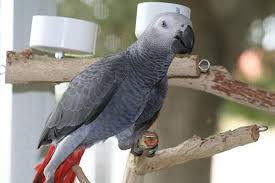
Do African Grey Parrots Talk, The African Grey Parrot is one of the most intelligent and vocal bird species in the world. Known for their exceptional ability to mimic human speech, they are also skilled at producing a wide range of natural vocalizations. Understanding African Grey Parrot calls is essential for bird owners and enthusiasts who want to bond with their feathered friends and ensure their well-being.
What Are African Grey Parrot Calls?
African Grey Parrot calls refer to the various sounds these birds make to communicate with their environment. These calls can range from whistles, squawks, clicks, and chirps to complex phrases in human language. While some calls are learned through mimicry, others are instinctive and serve specific purposes in the wild and in captivity.
Types of African Grey Parrot Calls
- Contact Calls
These are used when the parrot is trying to locate its owner or other flock members. It’s a form of “checking in.” If your parrot calls out when you leave the room, it’s probably a contact call. - Alarm Calls
Loud and sudden, alarm calls indicate fear or distress. These may happen when the bird sees a predator, hears an unfamiliar noise, or feels threatened. - Mimicked Speech and Sounds
African Greys often imitate human speech, phone ringtones, doorbells, and other household sounds. While not technically “calls,” these vocalizations serve social purposes and can indicate boredom, curiosity, or desire for attention. - Playful Chatter
When happy and engaged, African Greys may produce a variety of soft whistles, clicks, and nonsensical phrases. These sounds often indicate a content and mentally stimulated bird. - Territorial or Aggressive Calls
Loud squawks or repetitive harsh sounds can signify that the parrot is feeling territorial or annoyed, especially if someone invades their cage space.
Why Do African Grey Parrots Call?
African Grey Parrot calls are not just noise—they are essential forms of communication. In the wild, these calls help parrots:
- Stay in contact with their flock
- Warn others of danger
- Express emotions
- Attract mates
- Establish territory
In captivity, they use the same vocal tools to interact with their human “flock” and environment.
How to Respond to Your African Grey’s Calls
- Positive Reinforcement
Encourage calm and pleasant vocalizations by giving attention or treats when your parrot uses soft or friendly calls. - Ignore Negative Calls
Screaming or loud squawking for attention should be calmly ignored, as reacting may reinforce the behavior. - Consistent Routine
African Greys thrive on consistency. A routine helps reduce anxiety-related calling or excessive vocalization. - Mental Stimulation
Provide toys, foraging opportunities, and training sessions to keep your parrot entertained and reduce boredom-induced calling.
Final Thoughts
Understanding African Grey Parrot calls is crucial for anyone who owns or works with these incredible birds. Their vocalizations are more than amusing—they are a vital part of how they connect with the world. By learning what these calls mean and how to respond, you can build a deeper, more meaningful bond with your African Grey and ensure a happy, healthy life for your avian companion.
You Might Also Like These: