

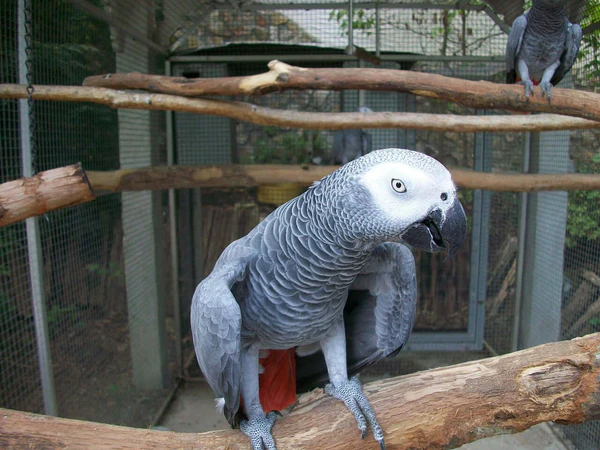
African Grey Parrot In Cage, The African Grey Parrot in cage is a common sight among bird enthusiasts, but keeping this intelligent and sensitive bird caged requires careful consideration and responsible care. Known for their remarkable intelligence and ability to mimic human speech, African Grey Parrots are among the most beloved pet birds in the world. However, owning one comes with significant responsibilities, especially when it comes to cage living.
Understanding the African Grey Parrot
Native to the rainforests of West and Central Africa, the African Grey Parrot is a medium-sized parrot prized for its cognitive abilities. These birds can learn hundreds of words, recognize objects, and even solve problems. Their intelligence makes them fascinating companions but also means they require mental stimulation and emotional attention to thrive.
The Right Cage for an African Grey Parrot
If you’re planning to keep an African Grey Parrot in a cage, the cage must meet specific standards:
- Size Matters: The cage should be large enough to allow your parrot to fully stretch its wings and move around freely. A minimum size would be 36” W x 24” D x 48” H, but bigger is always better.
- Bar Spacing: The spacing between bars should be between ¾ to 1 inch to prevent injury.
- Durability: African Greys are strong chewers. A stainless steel or powder-coated cage is ideal to resist damage.
- Placement: Keep the cage in a social area with good light but away from drafts or direct sunlight.
Enrichment Inside the Cage
Simply putting an African Grey Parrot in a cage is not enough. The interior must provide stimulation and comfort:
- Perches of various sizes and textures help maintain foot health.
- Toys should be rotated frequently to prevent boredom—puzzle toys, foraging toys, and chewable items are essential.
- Food and Water Bowls must be placed in easy-to-reach areas and cleaned daily.
- Cage Lining should be changed regularly to maintain hygiene.
Time Outside the Cage Is Crucial
While the cage is a safe haven, it should not become a prison. African Grey Parrots need several hours outside their cage each day to stretch, fly (if not clipped), and interact with their owners. Time outside helps maintain their physical and mental well-being.
Socialization and Training
African Grey Parrots are highly social. A caged bird that’s ignored may develop behavioral issues such as feather plucking, excessive screaming, or depression. Daily interaction, training sessions, and talking to your bird can help form a strong bond and provide mental enrichment.
Health and Nutrition
A balanced diet for an African Grey Parrot includes:
- Pellets formulated for parrots
- Fresh fruits and vegetables
- Occasional nuts and seeds
- Access to clean, fresh water at all times
Regular vet checkups are also necessary to monitor for signs of disease, nutritional deficiencies, or behavioral changes.
Final Thoughts
Keeping an African Grey Parrot in a cage can be done humanely and responsibly when the owner provides proper space, enrichment, and interaction. These birds are not just pets—they are intelligent companions that require a stimulating and loving environment. With the right care, an African Grey can thrive in its cage and become a cherished part of the family.