

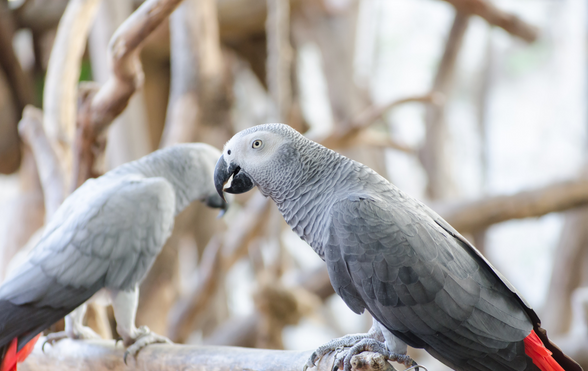
African Grey Parrot Diet And Nutrition, African Grey Parrots are among the most intelligent and captivating pet birds in the world. Their impressive ability to mimic human speech and their strong social bonds make them cherished companions. However, their health and longevity—often spanning 40 to 60 years—largely depend on proper care, particularly when it comes to diet and nutrition.
Understanding the African Grey Parrot diet and nutrition is vital for maintaining their vibrant feathers, sharp minds, and overall well-being.
1. Understanding Natural Diet in the Wild
In the wild, African Grey Parrots primarily feed on a diverse mix of seeds, fruits, nuts, berries, and leafy matter. Their natural foraging behavior ensures a variety of nutrients and keeps them mentally engaged. Mimicking this variety in captivity is crucial.
2. Pelleted Diets: The Foundation
Veterinarians often recommend a high-quality pelleted diet as the staple food for African Greys. These pellets are formulated to provide a balanced mix of proteins, vitamins, and minerals, minimizing the nutritional imbalances that can arise from an all-seed diet.
- Choose organic or vet-approved brands
- Avoid pellets with artificial colors or preservatives
- Should make up around 60–70% of the diet
3. Fresh Fruits and Vegetables: Essential Additions
Fresh produce is critical for a well-rounded African Grey Parrot diet and nutrition plan. They supply essential vitamins, fiber, and hydration.
Recommended Fruits:
- Apples (seedless)
- Berries
- Mango
- Papaya
- Bananas
- Pomegranate
Recommended Vegetables:
- Carrots
- Kale
- Broccoli
- Spinach
- Sweet potatoes
- Bell peppers
Offer fresh fruits and veggies daily, making up about 20–25% of their diet.
4. Nuts and Seeds: Use Sparingly
While African Greys love seeds and nuts, these should be given in moderation due to their high fat content.
- Almonds, walnuts, and sunflower seeds can be used as training treats or occasional snacks.
- Avoid peanuts due to the risk of aflatoxins (a harmful mold toxin).
Too many fatty treats can lead to obesity, liver disease, and nutritional deficiencies.
5. Calcium and Vitamin A: Key Nutrients
African Grey Parrots are prone to calcium deficiencies, which can lead to weak bones, seizures, and egg-binding in females. Ensure adequate intake through:
- Cuttlefish bones
- Boiled eggshells (cleaned and crushed)
- Calcium-fortified pellets
- Dark leafy greens like kale and collard greens
Vitamin A is another vital nutrient that supports vision, skin health, and immunity. Offer orange-colored vegetables such as carrots, squash, and sweet potatoes.
6. Foods to Avoid
Certain foods are toxic or harmful to parrots and should never be included in their diet:
- Avocado
- Chocolate
- Caffeine
- Onions and garlic
- Alcohol
- Salty or sugary human snacks
7. Water and Feeding Tips
- Always provide clean, fresh water.
- Remove uneaten fresh food after a few hours to prevent spoilage.
- Use stainless steel or ceramic bowls—plastic can harbor bacteria.
8. Supplements and Vet Guidance
While a balanced diet reduces the need for supplements, some parrots may benefit from additional vitamins or minerals under veterinary supervision. Routine avian check-ups will help monitor their health and ensure optimal nutrition.
Conclusion
Providing the right African Grey Parrot diet and nutrition is key to a long, healthy, and happy life. A mix of pelleted food, fresh fruits and vegetables, occasional nuts, and proper supplementation forms the foundation of their nutritional needs. Combined with mental stimulation and regular health checkups, this approach will keep your parrot thriving for decades.