

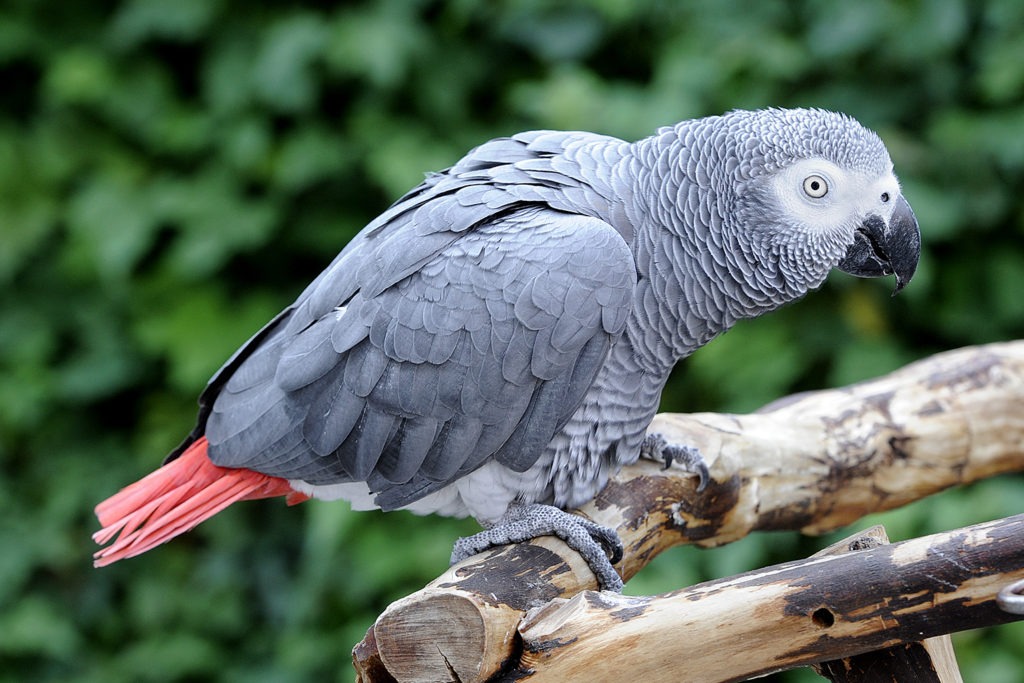
African Grey Parrot Care, The African Grey Parrot is renowned for its exceptional intelligence, long lifespan, and remarkable ability to mimic human speech. Native to the rainforests of West and Central Africa, this parrot is a favorite among bird lovers and exotic pet enthusiasts. However, African Grey Parrot care requires commitment, knowledge, and consistency. In this article, we’ll cover all the essentials to help you provide the best possible care for your feathered friend.
1. Understanding the African Grey Parrot
There are two main subspecies of the African Grey Parrot: the Congo African Grey and the Timneh African Grey. Both are known for their strong cognitive abilities and social nature. African Greys thrive on mental stimulation and require dedicated interaction with their human caregivers.
2. Housing and Environment
Proper housing is critical to African Grey Parrot care.
- Cage Size: A minimum of 36″x24″x48″ with bar spacing no more than ¾ inch is recommended. The larger the cage, the better.
- Perches & Toys: Provide natural wood perches and rotate toys regularly to prevent boredom.
- Lighting: Full-spectrum lighting simulates natural sunlight and supports overall health.
- Cleanliness: Clean the cage bottom daily, and disinfect the entire cage weekly.
3. Nutrition and Diet
A balanced diet is key to your African Grey’s longevity and vitality.
- Pellets: High-quality formulated pellets should make up about 60–70% of their diet.
- Fresh Fruits and Vegetables: Include leafy greens, carrots, apples, and berries. Avoid avocado, chocolate, and caffeine as these are toxic to parrots.
- Nuts and Seeds: Use sparingly as treats due to their high fat content.
- Clean Water: Change daily and monitor for contamination.
4. Mental Stimulation and Socialization
African Grey Parrots are highly intelligent and emotional birds that require continuous interaction.
- Training: Positive reinforcement training helps with behavior and mental engagement.
- Talking and Mimicking: Spend time talking to your parrot; they often develop large vocabularies.
- Social Time: Let them out of the cage daily and involve them in family activities.
5. Health and Wellness
Proactive health care ensures a long and happy life.
- Vet Visits: Schedule annual check-ups with an avian vet.
- Feather Picking: This is often a sign of stress or boredom. Investigate causes such as loneliness or improper diet.
- Signs of Illness: Lethargy, appetite loss, or changes in droppings require immediate attention.
6. Lifespan and Commitment
With proper care, African Grey Parrots can live 40 to 60 years or more. This is a lifetime commitment and not a pet to be taken lightly. They form deep bonds with their caregivers and may become emotionally distressed if rehomed or neglected.
Conclusion
Proper African Grey Parrot care involves much more than feeding and housing—it’s about building a strong, trusting relationship with a highly intelligent creature. These birds can become incredible companions for those who are prepared to meet their physical and emotional needs. With time, love, and attention, your African Grey will thrive and bring years of joy to your home.