

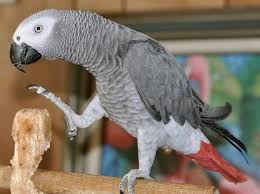
African Grey Parrot Breeders, African Grey Parrots are known for their exceptional intelligence, long lifespan, and remarkable ability to mimic human speech. These traits make them one of the most sought-after pet birds in the world. However, finding ethical and reputable African Grey Parrot breeders is crucial for ensuring the health, temperament, and overall wellbeing of your future feathered companion.
Why Choosing the Right Breeder Matters
When it comes to parrots, especially African Greys, not all breeders operate with the same level of care and responsibility. A responsible breeder prioritizes the birds’ welfare, socialization, and proper diet from hatchling to hand-rearing stages. They also take care to avoid inbreeding and genetic health issues. Choosing the right African Grey Parrot breeder can mean the difference between a happy, healthy bird and one with long-term physical or behavioral problems.
What to Look for in African Grey Parrot Breeders
Here are key qualities to consider when searching for a reputable breeder:
1. Health and Documentation
A good breeder provides health certificates, DNA sexing reports, and proper documentation for each bird. Ask if the bird has been tested for common avian diseases such as Psittacosis or PBFD (Psittacine Beak and Feather Disease).
2. Transparency and Environment
Visit the breeder’s facility, if possible. The breeding environment should be clean, spacious, and free of overcrowding. Parrots should appear healthy, alert, and well-socialized.
3. Socialization
Reputable breeders begin socializing African Grey Parrots from an early age, ensuring they are used to human interaction and not fearful or aggressive. Hand-fed babies typically make better companions.
4. Knowledge and Support
Ethical breeders are knowledgeable about the species and will guide you through care, diet, cage requirements, and behavioral training. They remain available even after the sale for advice and support.
Types of African Grey Parrots Breeders Offer
There are two primary subspecies that breeders might offer:
- Congo African Grey (CAG): Larger with light grey feathers and a bright red tail.
- Timneh African Grey (TAG): Smaller, darker in color, and slightly less talkative but more adaptable in new environments.
Make sure the breeder clearly specifies which type they are offering, as each has slightly different needs and characteristics.
Questions to Ask a Breeder
Before purchasing a parrot, ask the breeder:
- How long have you been breeding African Greys?
- Are the parent birds on-site and can I see them?
- What is the weaning process and age of the birds?
- Do you offer a health guarantee or vet check?
Red Flags to Watch Out For
Avoid breeders who:
- Offer birds at unusually low prices
- Refuse to provide health records
- Sell unweaned chicks to inexperienced buyers
- Won’t let you visit their facility
- Can’t answer basic questions about care
Final Thoughts
African Grey Parrots are lifetime companions, often living 40 to 60 years. Investing time to find reputable African Grey Parrot breeders is the first step in ensuring you bring home a healthy, intelligent, and emotionally balanced bird. A responsible breeder will not just sell you a pet, but offer ongoing support in your journey as a parrot parent.
If you’re considering adding an African Grey to your family, take the time to research breeders thoroughly—your future parrot will thank you for it.