

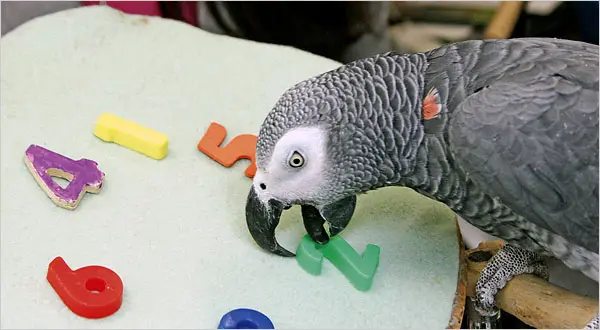
Alex The Grey African Parrot, “Alex the Grey African Parrot” is not just a name—it’s a symbol of intelligence, curiosity, and a groundbreaking chapter in animal cognition research. Alex, short for Avian Learning EXperiment, was an African Grey Parrot who astonished the world with his remarkable ability to understand and use human language. His legacy continues to influence scientific thought and how we understand animal intelligence.
Who Was Alex the Grey African Parrot?
Alex was a Congo African Grey Parrot (Psittacus erithacus) born in 1976. He became the subject of an ambitious research project led by Dr. Irene Pepperberg, a comparative psychologist from Harvard and Brandeis University. At the time, most scientists believed that birds had limited intelligence. However, “Alex the Grey African Parrot” turned that assumption on its head.
A Bird Like No Other
Unlike most animals studied in labs, Alex wasn’t just trained to mimic words—he understood concepts. He could:
- Identify over 50 objects by name
- Recognize colors, shapes, and numbers up to six
- Understand the concept of “zero”—a rare cognitive milestone
- Use phrases meaningfully, like asking for water or food
- Show emotional responses like boredom or frustration
When asked, “What color is the key?” Alex could correctly answer “green” if the object was indeed green, rather than just guessing. He even invented words when he didn’t know one—for example, calling an apple a “banerry” (banana + cherry).
Why Alex Mattered
“Alex the Grey African Parrot” shattered long-held beliefs about the limits of animal intelligence. Before Alex, it was thought that only primates and dolphins could handle complex communication or abstract reasoning. Alex proved that a bird, with a brain the size of a walnut, could grasp human language and cognitive concepts.
This had major implications for neuroscience, linguistics, and even animal rights. Alex showed that intelligence is not limited to mammals or to large-brained creatures.
A Legacy That Lives On
Alex passed away in 2007, but his work lives on. His final words to Dr. Pepperberg—”You be good. I love you.”—captured the depth of his bond with humans and the remarkable level of emotional intelligence he possessed.
Today, African Grey Parrots are recognized as some of the most intelligent birds in the world, thanks largely to Alex. His story continues to inspire researchers, educators, and pet owners globally.
Conclusion
“Alex the Grey African Parrot” was more than just a pet or a lab subject—he was a trailblazer who changed our understanding of animal minds. His contributions to science are as vivid and colorful as the feathers on his wings, and his legacy remains a testament to the intelligence that exists in the natural world—sometimes in the most unexpected places.
You Might Also Like These: