

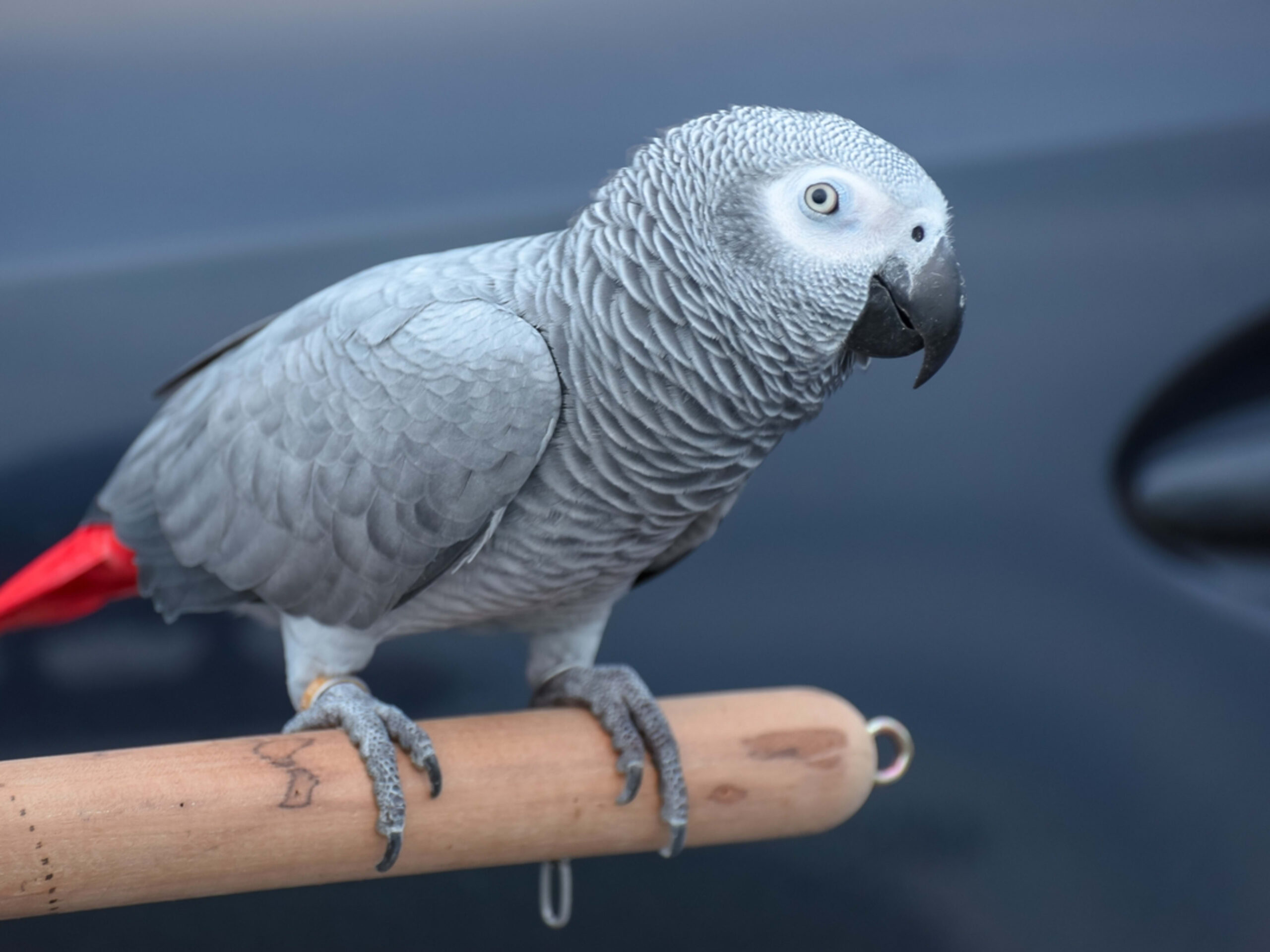
African Grey Parrot Calls, The African Grey Parrot is widely celebrated as one of the most intelligent bird species in the world. Known for its exceptional talking ability and cognitive skills, this parrot is also incredibly expressive through its natural calls and vocalizations. Whether you’re a current owner or considering adopting one, understanding African Grey Parrot calls is essential to building a strong, communicative bond with your feathered friend.
What Are African Grey Parrot Calls?
African Grey Parrot calls are the natural sounds and vocal signals these birds use to communicate in the wild and in captivity. These calls include:
- Contact calls (to check in with their flock or owner)
- Alarm calls (sharp, loud sounds indicating danger)
- Mimicry (copying human speech, appliances, or other animals)
- Begging calls (used by chicks or adults seeking attention or food)
- Contentment sounds (such as gentle whistles, chirps, or purring)
Each call plays a specific role in the bird’s social and emotional life, making them key indicators of mood, needs, or environmental cues.
Common Types of African Grey Parrot Calls
- Whistles and Chirps
These are usually signs of a happy or curious bird. They often occur during playtime or when the parrot is relaxed. - Squawks and Screeches
Loud and sometimes harsh, these may indicate fear, boredom, or a need for attention. Frequent squawking should not be ignored—it often signals unmet needs. - Imitative Calls
African Greys are masters of mimicry. They can imitate phones ringing, microwave beeps, other pets, and human voices. While not “calls” in the wild sense, they are learned vocalizations used to engage with their environment. - Contact Calls
When you’re out of sight, your parrot might emit a repetitive, loud sound to “call” you back. This behavior mimics flock dynamics in the wild, where staying in contact ensures safety.
Why Understanding Calls Matters
Properly interpreting African Grey Parrot calls can:
- Help you identify stress or illness early
- Strengthen your bond through better communication
- Reduce unwanted screaming or vocal behavior
- Allow you to respond appropriately to your parrot’s emotional and physical needs
Tips for Responding to African Grey Parrot Calls
- Acknowledge contact calls with a short reply (like whistling back or speaking calmly).
- Avoid reinforcing excessive screaming—do not rush to the bird unless it’s a true distress call.
- Provide enrichment to reduce boredom-related calls (toys, foraging puzzles, interaction).
- Use consistent verbal cues to help the parrot understand routines (like saying “night-night” before bedtime).
Conclusion
African Grey Parrot calls are far more than random noises—they’re a complex form of communication. By learning to decode these vocalizations, owners can create a more nurturing, responsive, and enriching environment. Whether it’s a cheerful whistle or a mimic of your favorite ringtone, every sound tells a story about your bird’s inner world.
Understanding these calls is a crucial step in building trust and companionship with one of nature’s most brilliant avian communicators.